This Valentine’s Day, my heart is in Cuba.
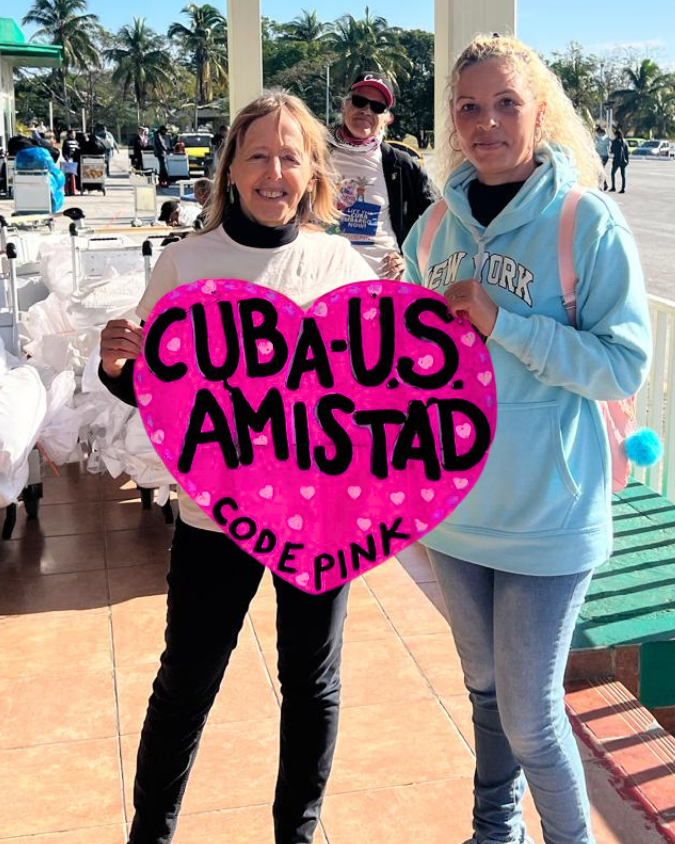
I just returned from the island, where I saw something I wish every person in the United States could witness with their own eyes: extraordinary resilience, deep community care, and a level of hardship no family should have to endure.
We traveled to Cuba carrying bags filled with lentils and powdered milk, donations that were possible because of so many of you. Truly. Your generosity is what allowed us to show up not just with words of solidarity, but with something tangible in our hands.
But what I saw on the ground broke my heart.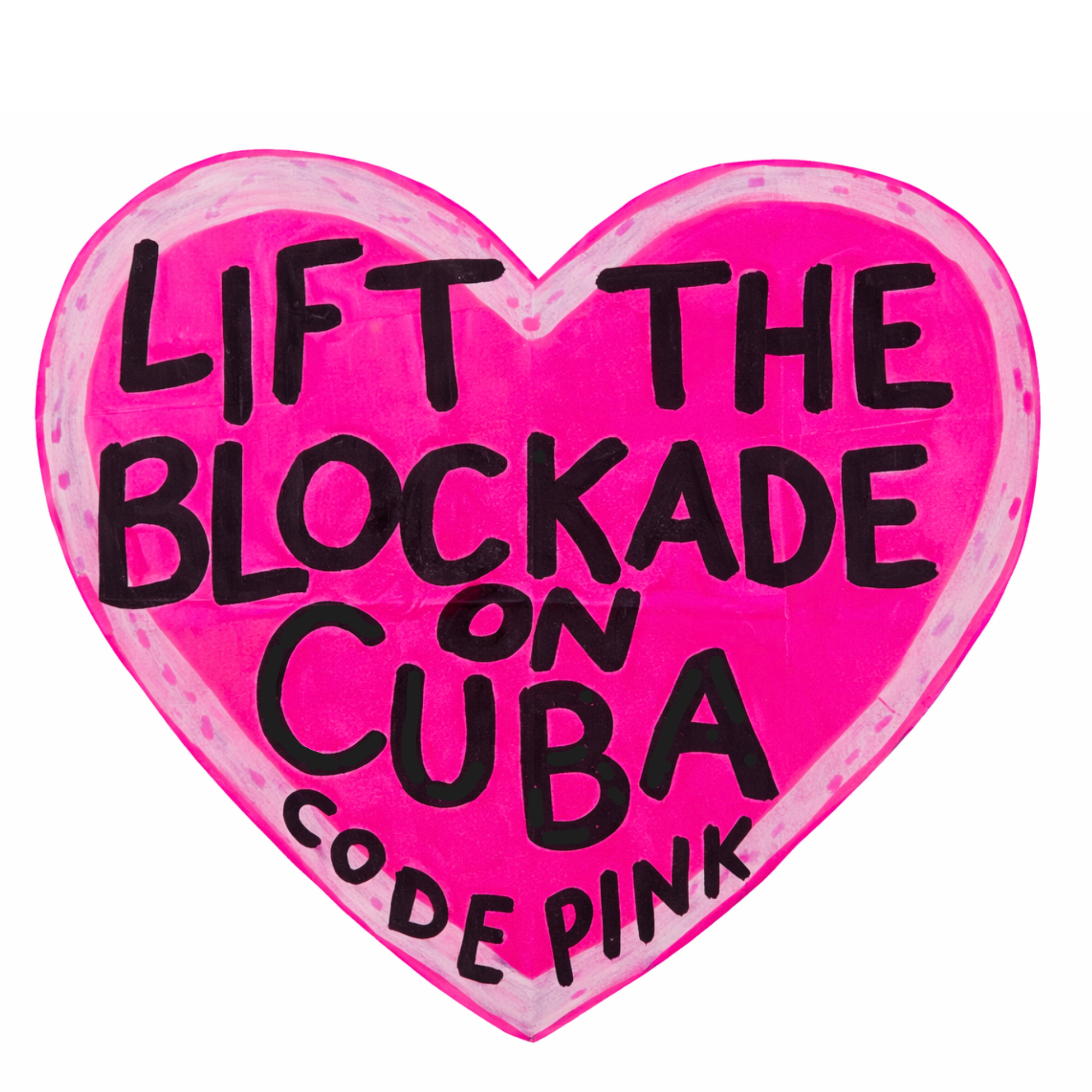
Entire cities are operating with only a few hours of electricity a day. Fuel shortages mean buses don’t run, food production slows, and hospitals struggle to function. Families cook with firewood when there’s no gas. People walk miles or rely on bicycles because there is simply no gasoline. Markets have food, but prices are out of reach for many.
So this Valentine’s Day, I’m asking you to send a little love to Cuba.
💗 Join or support the Nuestra America flotilla to Cuba: A growing global coalition is preparing a humanitarian flotilla to challenge the blockade and deliver aid. Be part of this historic act of solidarity. Fill out this interest form to join the flotilla effort.
💗 Support the Solidarity Mission to Cuba: We are joining organizations across borders to mobilize and deliver humanitarian aid by air, by sea, and by land. Donate today to help power this solidarity mission and move essential supplies directly to communities in need.
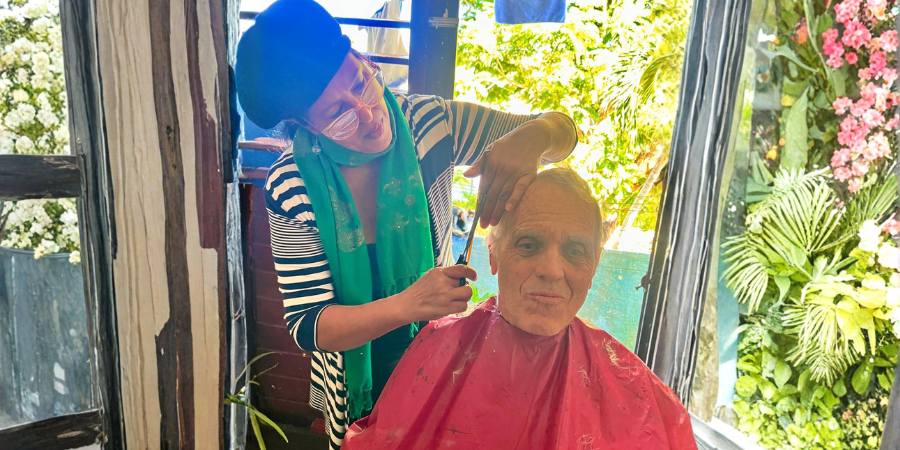
In Holguín, a hairdresser named Marta covered her face with her hands and sobbed as she described daily life. “You can’t imagine how it touches every part of our lives,” she told me. “It’s a vicious, all-encompassing spiral downward… The blockade is suffocating us.”
 This is not a natural disaster. It is the direct result of deliberate U.S. policy.
Since Donald Trump returned to power, his administration has intensified the economic siege on Cuba—tightening sanctions, pressuring shipping companies and third countries not to deliver fuel, and weaponizing financial penalties to block the island’s access to oil and essential goods.
The result has been devastating. Fuel shipments have plummeted. Nationwide blackouts have become routine. Public transportation has ground to a halt. Food production and distribution have been crippled. Hospitals are struggling to keep the lights on, preserve medicines, and power life-saving equipment.
This suffering is not accidental. It is manufactured.
And yet, everywhere we went, we were met with warmth. With hugs. With gratitude. With people sharing what little they have with one another and with us.
Cubans don’t pay rent or have mortgages; they own their homes. And while healthcare has deteriorated badly in recent years because of shortages of medicines and equipment, it remains free–a system gasping but not abandoned. When my partner Tighe had an asthma attack, we went to the clinic and within minutes, he was breathing in albuterol mist from a nebulizer. No insurance forms. No bill. Just care—delivered with competence and a smile. That’s what health care looks like when it’s treated as a human right.
Your past donations made it possible for us to arrive in Cuba with thousands of pounds of food and medicine—small offerings of love in the face of policies designed to create suffering.
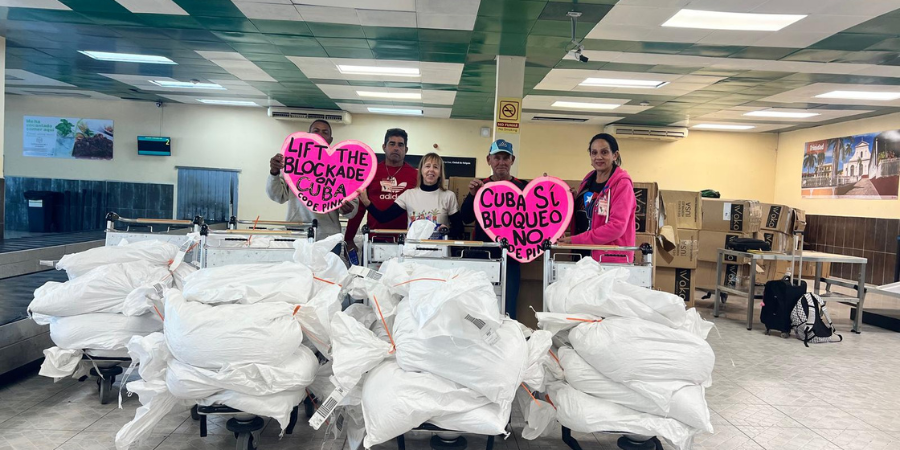
This Valentine’s Day, I hope you will continue to stand with the Cuban people.
Let’s send not only aid, but a message: You are not alone. You are loved. And we will keep showing up.
With love and solidarity,
Medea
💗 P.S.: Read my latest article about Cuba: Suffocating an Island: What the U.S. Blockade Is Doing to Cuba
💗 P.P.S.: Travel to Cuba in solidarity and witness firsthand the impact of the U.S. blockade while building meaningful people-to-people connections rooted in peace and respect. Fill out the interest form.