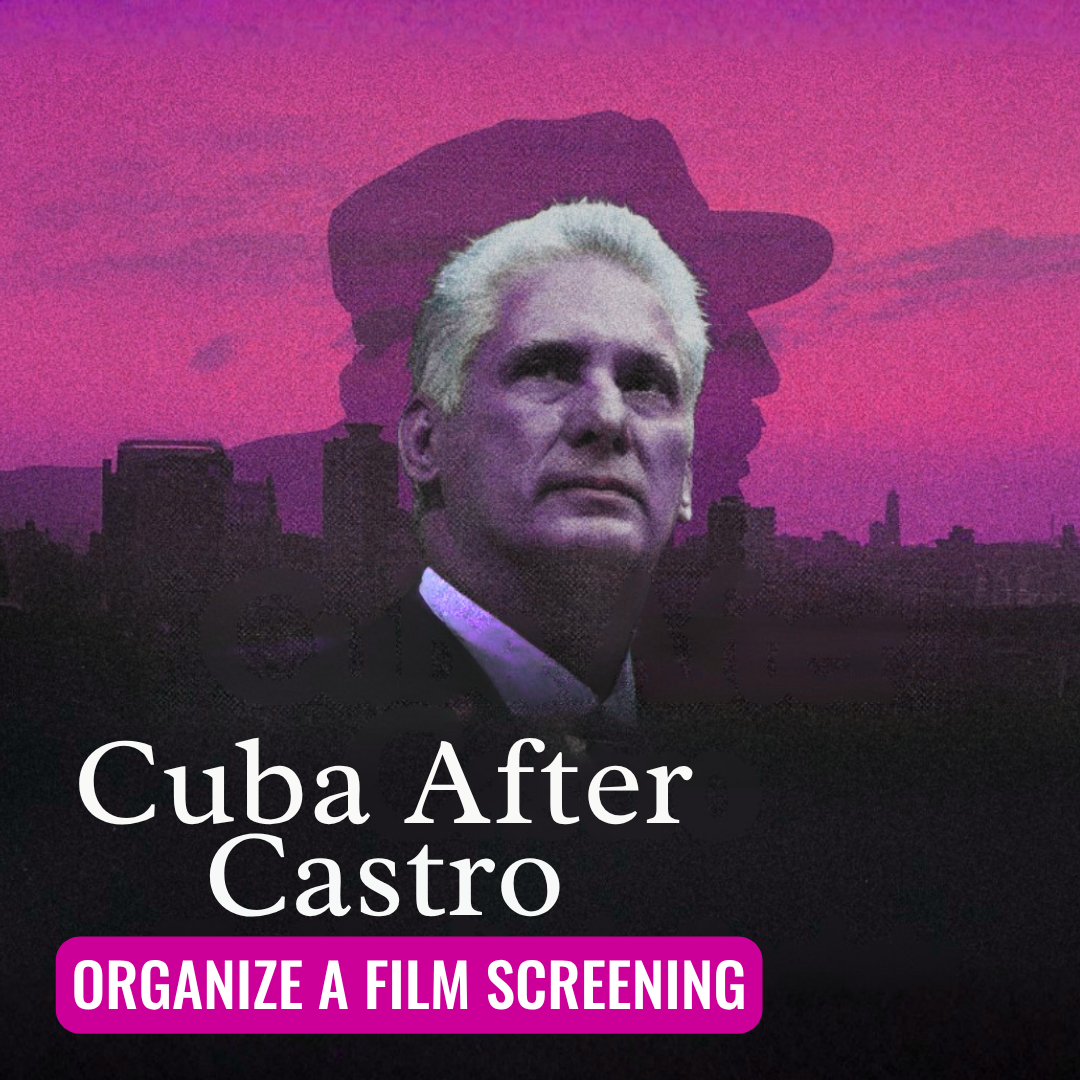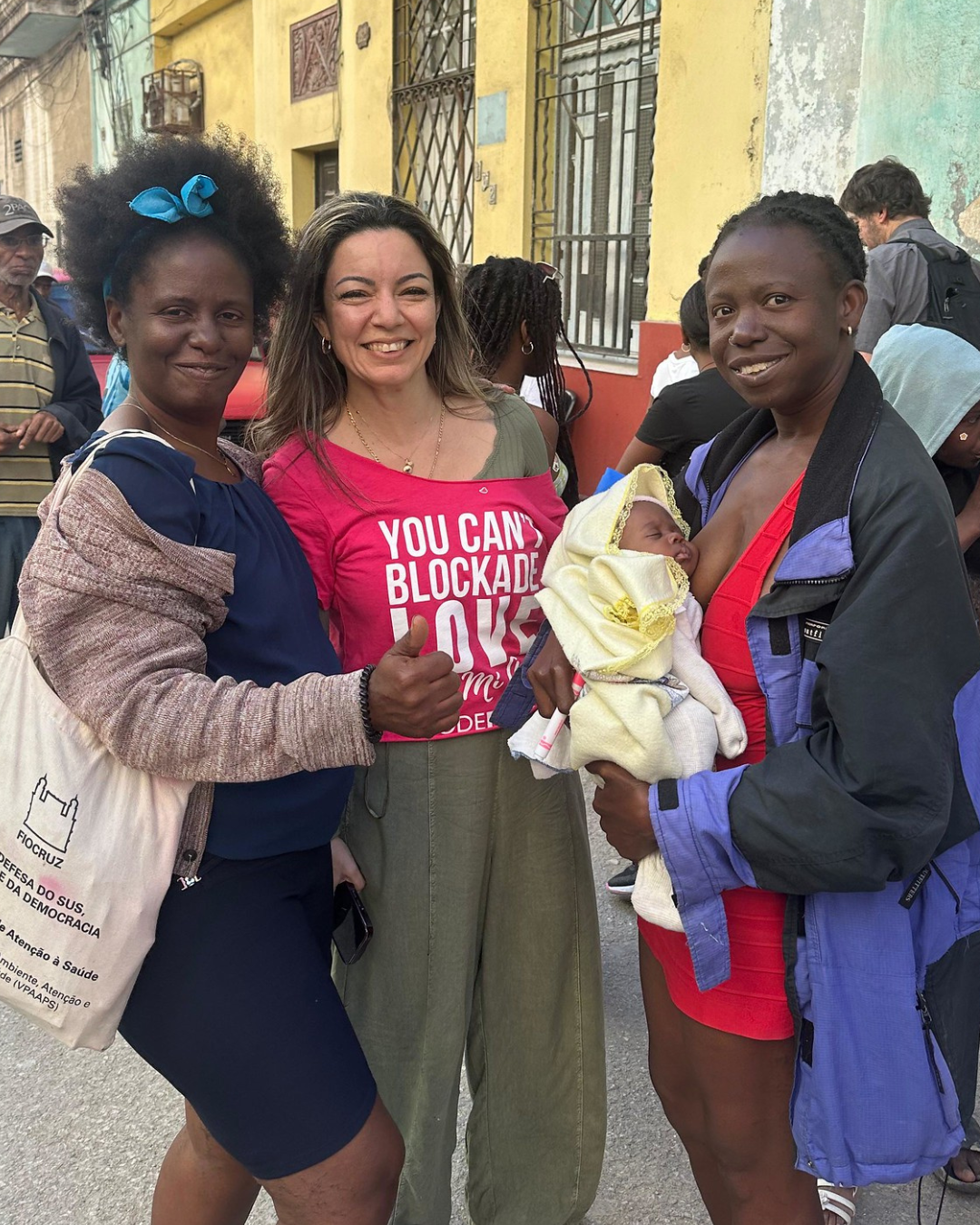
Today, August 13, we mark 100 years since the birth of Fidel Castro, a Cuban revolutionary who insisted that healthcare, education, and human dignity belong to everyone, not only those who can afford them. Under his leadership, Cuba trained generations of doctors, expanded healthcare to historically neglected communities, and dramatically reduced infant mortality.
Washington’s blockade and maximum-pressure campaign are now reversing that progress by denying hospitals lifesaving supplies. If Save the Children’s mission truly applies to every child, it must demand an end to the blockade and provide assistance to Cuba’s children.
👉🏼 Tell Save the Children: Stand With Cuba’s Children!
Personal Note from Michelle

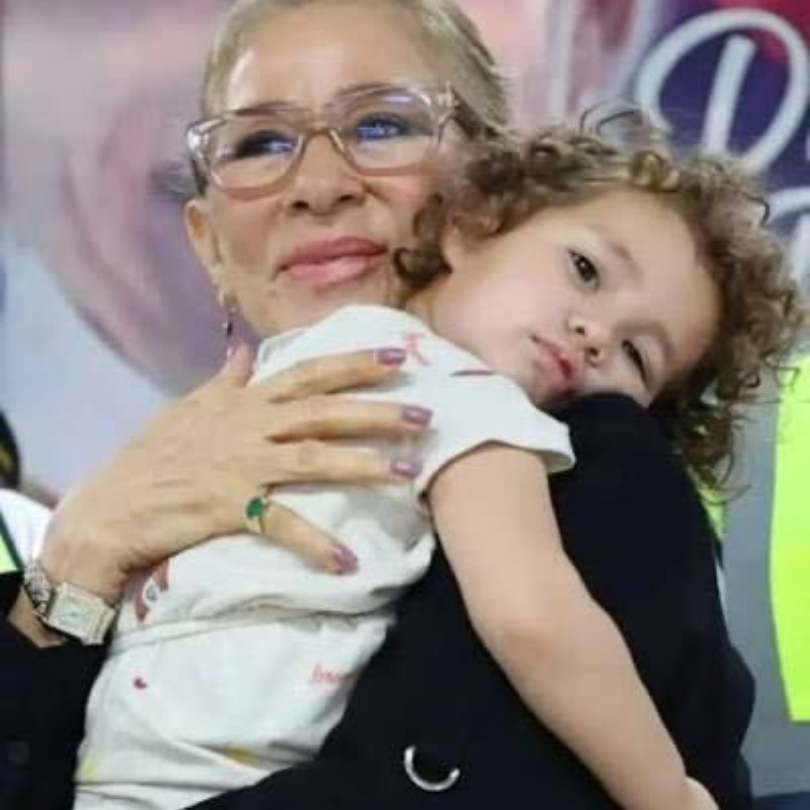
During my visits to Cuba, I’ve sat with mothers who want exactly what I want for my own child: for them to be safe, healthy, and free to dream about their futures. I’ve seen their love and strength, but also the fear of not knowing whether a hospital will have the medicine or equipment needed to save their baby.
As a mother, I cannot separate myself from that fear. I cannot accept that my government is deliberately making it harder for another mother to keep her child alive. No mother should have to fear losing her baby because the U.S. blockade makes lifesaving medicine and medical equipment so difficult to obtain.
So I have to ask: Where is Save the Children?
Save the Children promises to “do whatever it takes” for children in crisis. But what about Cuba’s children? Where is the emergency appeal for its newborns? Where is the outrage over sanctions that keep lifesaving equipment from maternity wards? Where is the demand that Washington stop using children’s lives as political leverage? Where is the emergency Save the Children program to help Cuba’s children?
If “every child” truly means every child, then Cuban children cannot be excluded. Save the Children must break its silence, support Cuban mothers and newborns, and demand an end to the blockade.

Cuba’s Infant Mortality Crisis
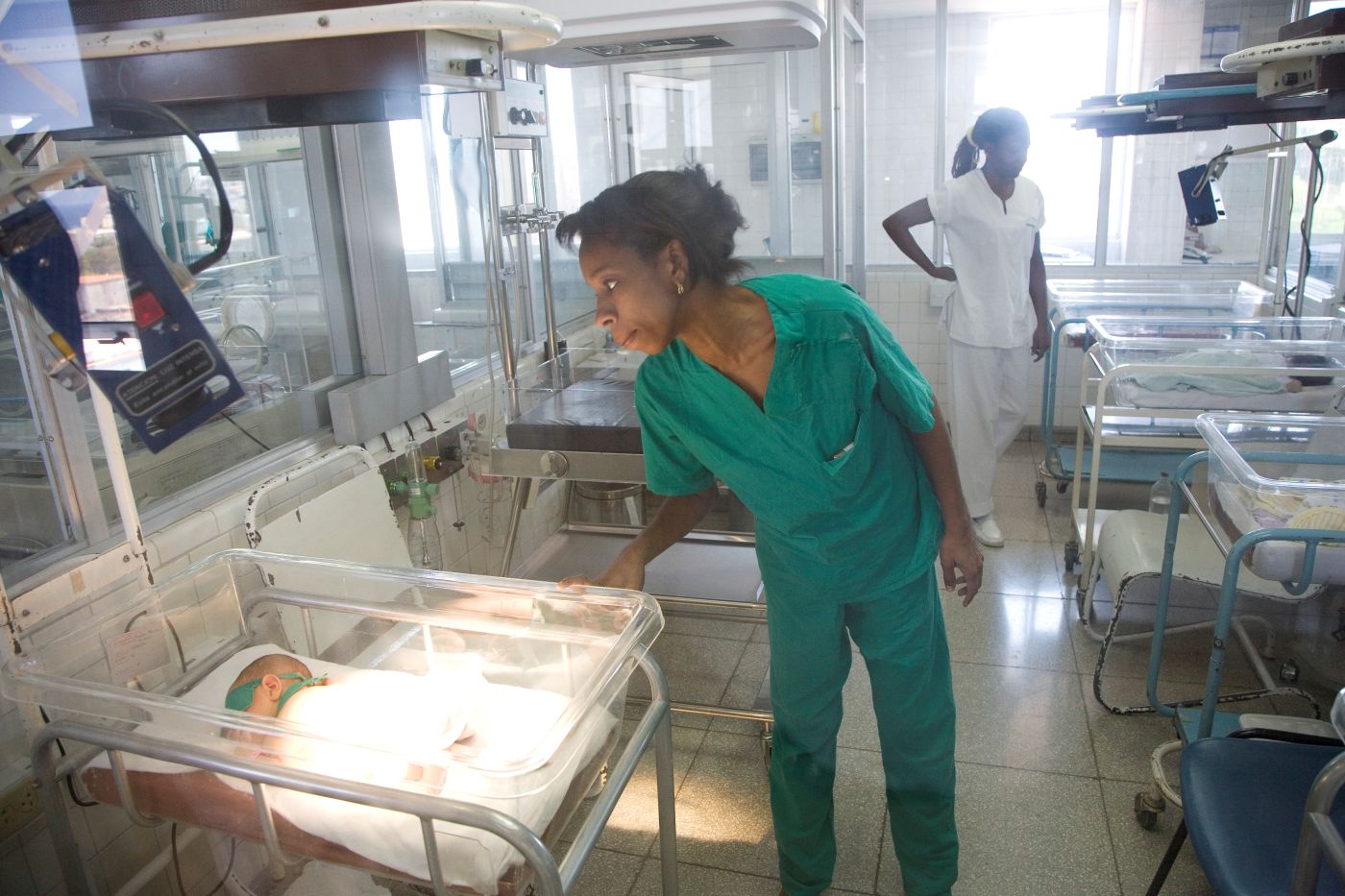
👉🏼 Cuba transformed child survival after the Revolution. Before 1959, Cuba's infant mortality rate was estimated at approximately 70 deaths per 1000 live births, and was likely undercounted in rural communities. Through universal healthcare, Cuba reduced that rate to just 4.8 deaths per 1000 in 2012.
👉🏼 That historic progress is being reversed. Cuba’s infant mortality rate has now risen to more than 9 deaths per 1,000 live births, and is rapidly escalating amid scarcity of lifesaving equipment such as incubators, neonatal ventilators and cardiac monitors.
👉🏼 This scarcity is not accidental. The U.S. blockade restricts Cuba’s access to international markets and financial systems making even humanitarian purchases difficult. Banks, manufactures, shipping companies and insurance companies often refuse Cuba-related transactions out of fear of U.S. penalties, while restrictions on products containing U.S. made components further limit access to medical technology. The result is longer delays, higher costs and maternity hospitals unable to obtain lifesaving equipment when they need it.
👉🏼 The crisis begins before birth. Food shortages and inadequate access to prenatal nutrition, vitamins, routine examinations, and fetal monitoring are contributing to more high-risk pregnancies, premature births, anemia, and dangerously low-birthweight newborns.
Featured Video
|
|

Campaign Actions
|
|