Photo: ABC News
By Medea Benjamin
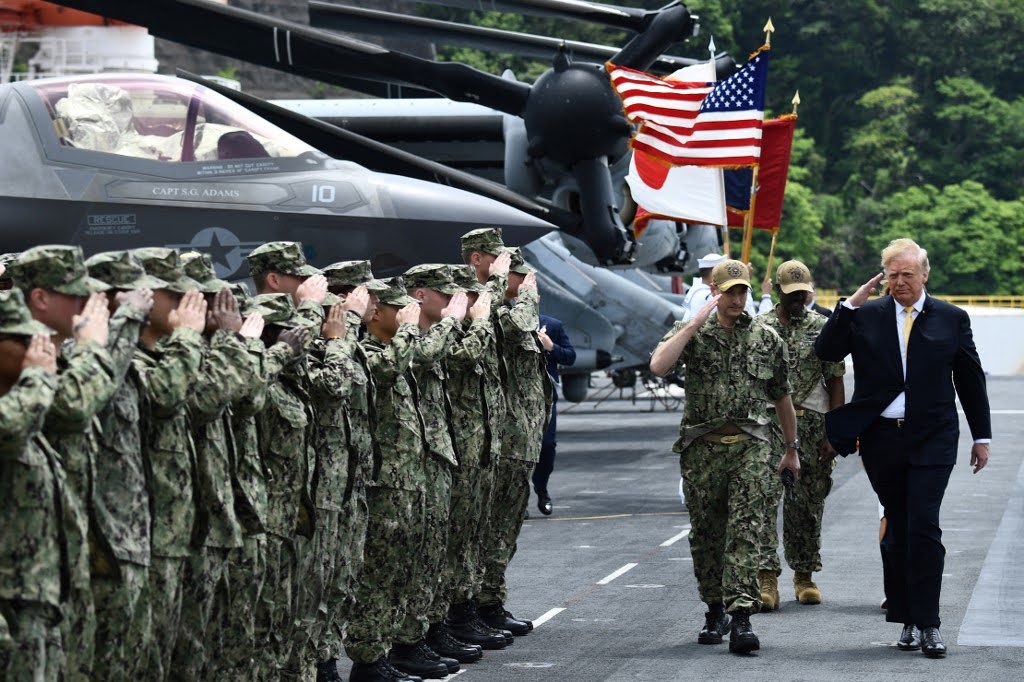
On August 8, The New York Times reported that President Trump has secretly authorized the Pentagon to begin using military force against certain Latin American drug cartels — a reckless move that threatens to turn a complex law enforcement challenge into an open-ended war, with potentially catastrophic consequences.
Mexican President Claudia Sheinbaum immediately responded with a clear message that the U.S. military would not be allowed into Mexico. “We co-operate, we collaborate, but there is not going to be an invasion. That is ruled out, absolutely ruled out,” she said.
Under Trump’s directive, the military can go after cartels that the U.S. has labeled “foreign terrorist organizations,” a designation that may sound decisive but carries no legal authority for wartime-style military operations. Declaring them terrorists does not magically transform the drug trade into an armed conflict. It merely provides political cover for bypassing Congress, international law, and the sovereignty of other nations.
We know from history where this leads. The 1989 U.S. invasion of Panama, condemned by the United Nations as a “flagrant violation of international law,” was justified under the pretext of capturing a drug-trafficking leader. The result: hundreds of civilian deaths and a deep well of resentment that lingers to this day. In the 1990s, U.S. assistance to Colombian and Peruvian anti-drug forces ended in the tragic shoot-down of civilian planes. In Honduras, DEA-linked paramilitary raids killed innocent people. Militarizing the drug war has consistently produced bloodshed and instability, not solutions.
Trump’s plan to deploy U.S. forces directly against cartel members — potentially on foreign soil without the host nation’s consent — is not just provocative, it’s patently illegal. International law prohibits using force inside another country without its permission or a legitimate self-defense claim against an imminent threat. Fentanyl overdoses in the U.S., while a serious public health crisis, do not meet that threshold.
Violations of domestic law are just as serious. The Constitution gives Congress, not the president, the power to authorize war. The 2001 Authorization for Use of Military Force (AUMF) against al-Qaeda and its allies does not extend to criminal organizations that the executive branch unilaterally labels as “terrorists.” Acting without congressional authorization would set a dangerous precedent, handing the president unchecked power to use the military anywhere in the world based on his own designations.
Even putting legality aside, the policy is doomed to fail. The U.S. has been waging a “war on drugs” for more than 50 years. It has cost trillions of dollars, destabilized entire regions, and filled countless prison cells, yet drugs are more available and potent than ever. Military crackdowns may disrupt specific groups for a time, but they do nothing to address the underlying drivers of the trade: corruption, poverty and the immense demand for drugs in the United States.
If Trump truly wanted to curb the flow of fentanyl, he would focus on reducing demand at home, expanding treatment and prevention, strengthening international cooperation, and targeting money laundering — the financial lifeblood of drug cartels. Instead, he is choosing the same “shock and awe” approach that has failed for decades, only this time with the added risk of dragging the U.S. military into another endless conflict abroad.
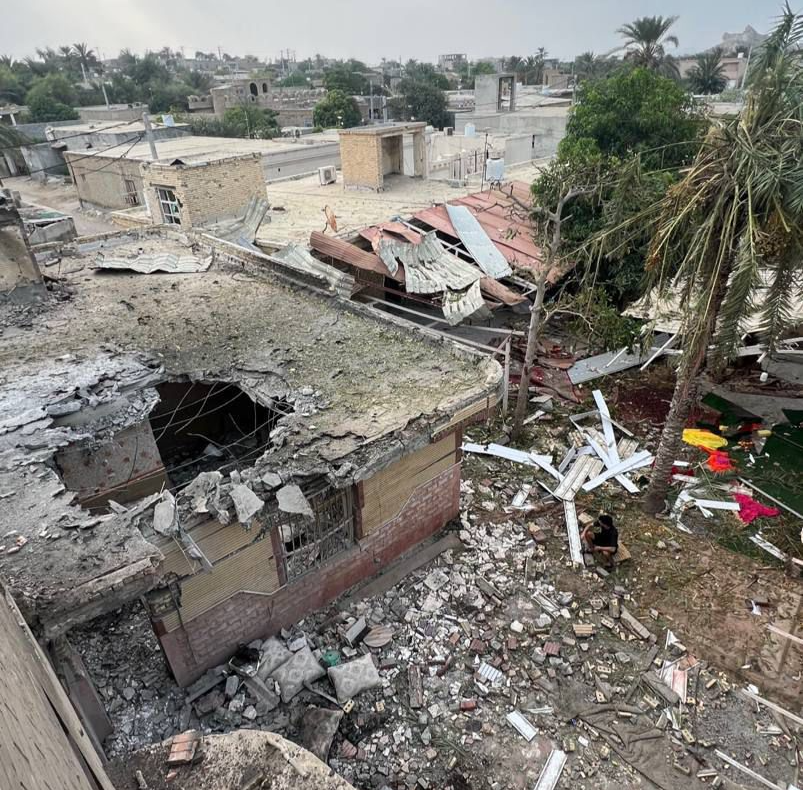
There is also a profound risk of civilian casualties. Intelligence on cartel activity is often fragmentary and unreliable. Military raids or airstrikes could easily kill bystanders, inflaming anti-American sentiment and destabilizing fragile governments. Those deaths would not be accidents; they would be the predictable outcome of turning a public health issue into a battlefield.
Just as dangerous is the likelihood of sparking an arms race. Direct U.S. military action would push cartels to upgrade their weapons, improve their tactics and deepen alliances with other arms groups. Instead of dismantling these groups, it could fortify them, leaving cartels better armed, more organized and deeply embedded in the economic and territorial control of the region.
Congress must act now to block this dangerous escalation. CODEPINK is calling on Greg Casar, Chair of the Congressional Progressive Caucus, to lead the fight, demanding transparency on Trump’s directive and introducing legislation to reaffirm that military force cannot be used against cartels without explicit congressional authorization.
We have seen this movie before — in Panama, in Colombia, in Afghanistan — and we know how it ends. You don’t solve a public health crisis with warplanes and Special Forces. Militarizing the drug war will only produce more violence, more instability, and more death — on both sides of the border–and should be rejected by Congress, human rights advocates, and the international community.