By: Medea Benjamin
 Getty Images
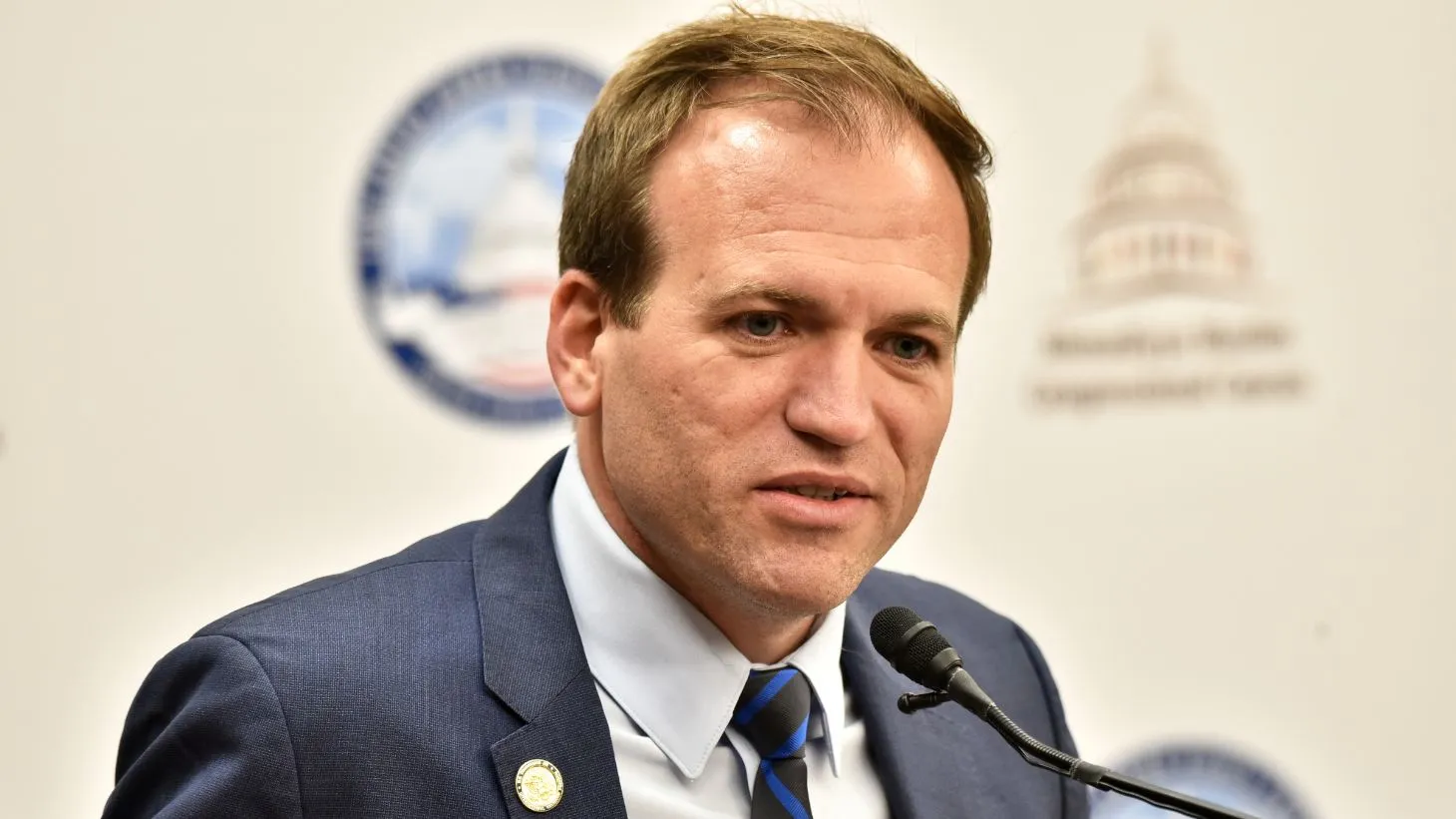
Pepperdine University says it forms “leaders of purpose” rooted in faith, service, truth, and moral courage. So how does a Christian university reconcile that mission with hiring Rev. Johnnie Moore—former executive chairman of the Gaza Humanitarian Foundation (GHF)—as vice chancellor of its Washington, D.C., campus? Elevating the public face of a man who helped turn Gaza breadlines into killing grounds is not moral leadership. It’s moral rot.
Before even examining his record in Gaza, Moore’s career raises red flags about the kind of “leadership” he represents. He has been a central figure in Trump-era evangelical politics, serving on Donald Trump’s evangelical executive advisory board and blessing policies that merged partisan loyalty with Christian Zionism, including moving the U.S. embassy to Jerusalem. He has cultivated deep ties to Israel’s far-right leadership and proudly describes himself as an “evangelical friend of Israel.” Moore has also supported programs encouraging Jewish Americans and others to move to Israel—even as he defended policies that displaced Palestinians and denied their right of return. In other words, he has championed expansion for one people while condoning expulsion for another, dressing up apartheid and dispossession as divine destiny.
It is precisely because of Moore’s attachment to Israel that he was named head of the Gaza Humanitarian Foundation (GHF), a scheme devised by Israel and the United States to displace the UN aid agency UNRWA and other groups that had been safely and equitably distributing food to Palestinians for decades.
UNRWA used a dispersed network of over 400 distribution points across Gaza—built precisely so families could access aid near their homes, in smaller crowds, with clearer deconfliction and community oversight. GHF replaced that with just four militarized “mega-sites” that concentrated desperate civilians into a few exposed locations under heavy military presence. The shift from hundreds of local sites to four hubs made safe, dignified delivery all but impossible and turned each opening hour into a crush of fear—leaving families with the horrific “choice” of going hungry or risking death.
The U.N. Human Rights Office (OHCHR) reported at least 875 people were killed at or near these sites by July 15, 2025. These are conservative figures—and they rose week after week. Independent and humanitarian observers pointed to a much higher cumulative toll as the summer wore on. When GHF sites suddenly disappeared after the October ceasefire, multiple officials and witnesses cited more than 2,500 people killed trying to reach food—an order of magnitude that reflects months of shootings, stampedes, and chaos around the same choke points.
Humanitarian law rests on four core principles—humanity, neutrality, impartiality, independence—precisely to keep civilians safe. GHF’s model inverted that logic. It was privatized, politicized, and militarized: run through private contractors and coordinated with occupying forces, with hours of operation announced at the last minute and entry routes threaded through combat zones. When civilians are targeted or deprived of what is necessary for their survival, that is a war crime and those responsible are war criminals.
.As Doctors Without Borders put it, GHF distribution points became sites of “orchestrated killing” by both Israeli soldiers and mercenaries working for the GHF. U.N. officials, special rapporteurs, and the broader humanitarian community repeatedly demanded an end to the GHF.
Now, with GHF sites abandoned after the ceasefire, we face a bitter truth: disappearance is not accountability. The moral question doesn’t evaporate because the tents came down. If anything, the shutdown underscores how indefensible the design was—and how urgent it is to hold its leadership accountable, including Rev. Johnnie Moore.
Pepperdine cannot credibly teach ethical leadership while rewarding the executive who fronted a system that compressed starving civilians into four choke points and failed to keep them safe. Christian ethics demand truth-telling, contrition, and repair—not promotions for those presiding over war crimes.
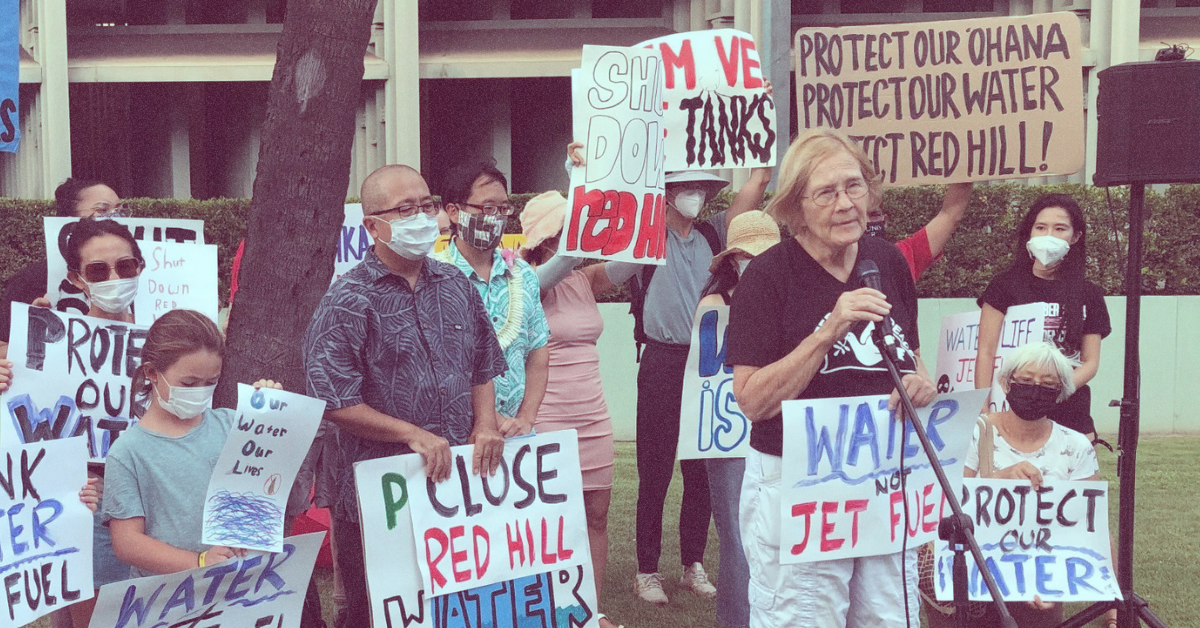
CODEPINK has launched a campaign calling on Pepperdine to rescind Moore’s appointment. Dozens of religious leaders and humanitarian groups have already signed on, and we’ve begun protesting outside Pepperdine’s Washington office. The university should also implement an independent, transparent review of how this hire cleared vetting and what guardrails will govern future leadership selections. And it should affirm that Pepperdine stands with humanitarian principles and will not lend its name to a model the U.N. itself warned had become a killing field. You can sign the petition to Pepperdine here.
This isn’t just about one man—it’s about rejecting the entire system of privatized, politicized, militarized “aid” that was used by Israel and its supporters to turn hunger into a weapon. It’s about holding accountable those responsible for the deliberate use of starvation as a weapon of war.
Pepperdine must show its students and the broad community that it can correct this egregious error and commit to stand with the vulnerable, not those to oversee their murder.