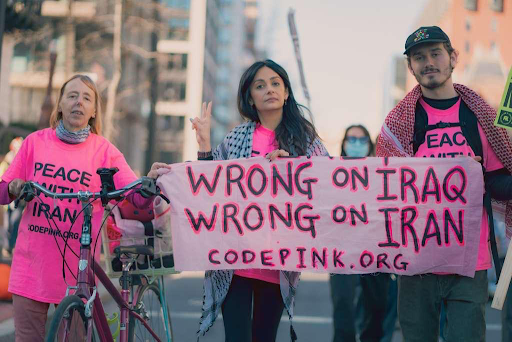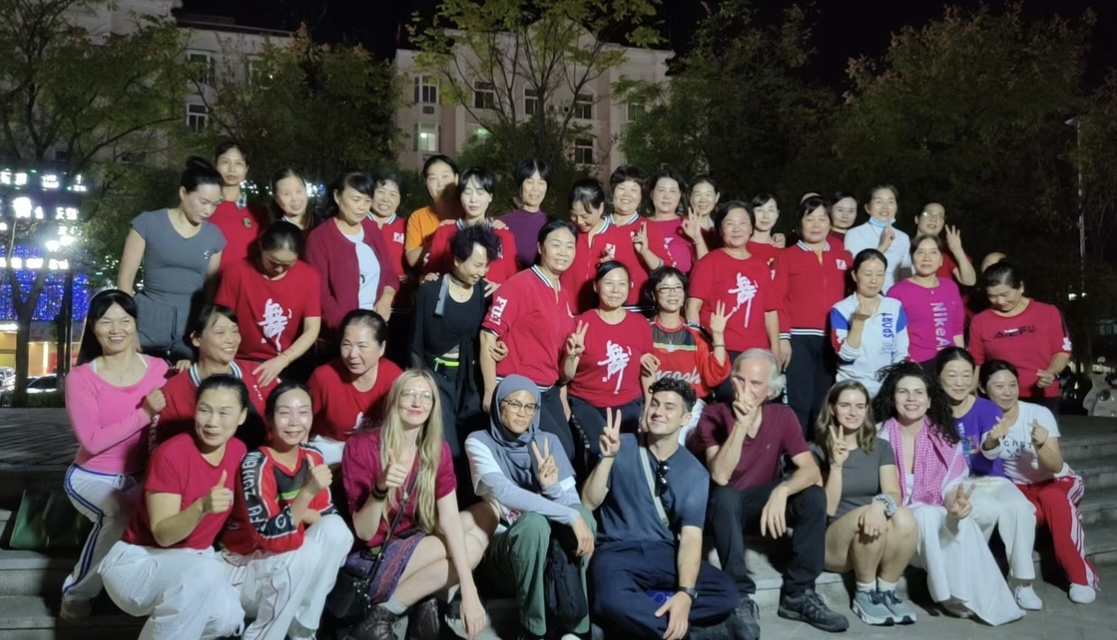
For years, we have been told that war with China is “inevitable.” This year, people proved that narrative wrong.
Let’s take a look back at some of the best moments when people chose connection over fear and fought back against the U.S. government’s push to manufacture consent for war…
1. The RedNote Phenomenon
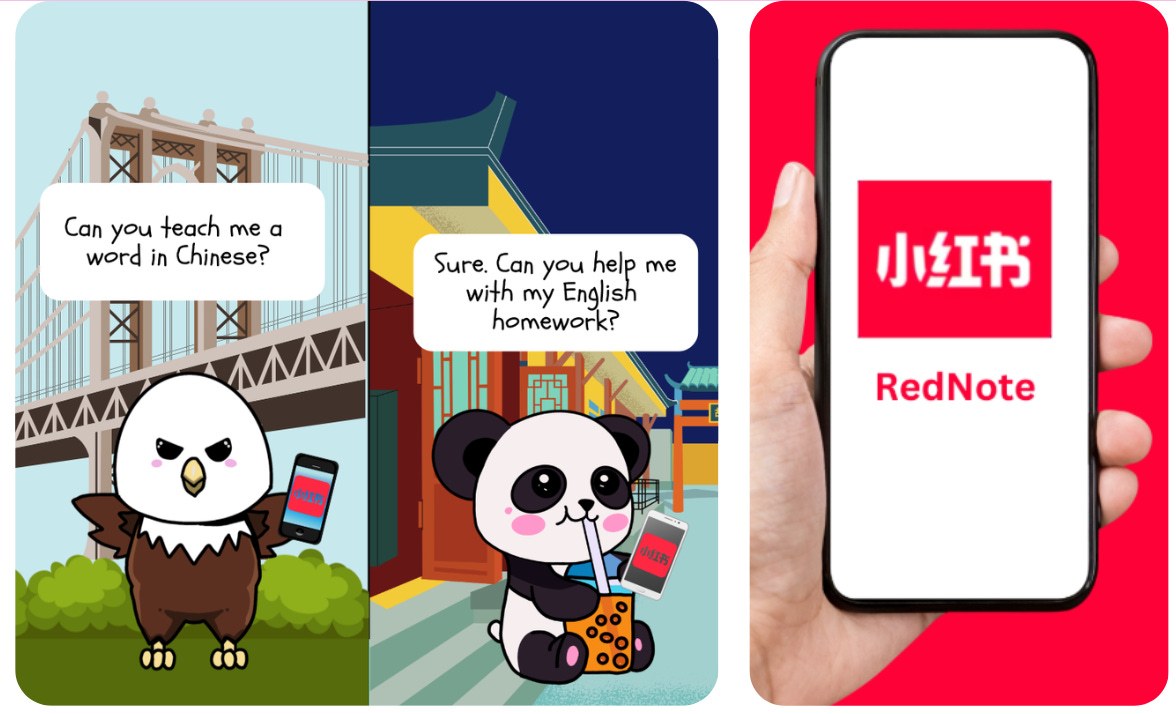
In the months leading up to the TikTok ban, millions of people in the U.S. found their way to the Chinese social media app RedNote, and something unexpected happened. Instead of hostility, people found themselves connecting in deep and meaningful ways. They swapped jokes and memes, compared daily life, talked about work, food, family, and pop culture, and even debated politics.
For many, it was the first time many U.S. citizens had ever spoken directly to someone in China without a government, headline, or algorithm telling them what to think. RedNote became a rare digital space where mutual understanding dominated over fear and where people learned just how much they have in common.
2. Content creators showed us the real China.
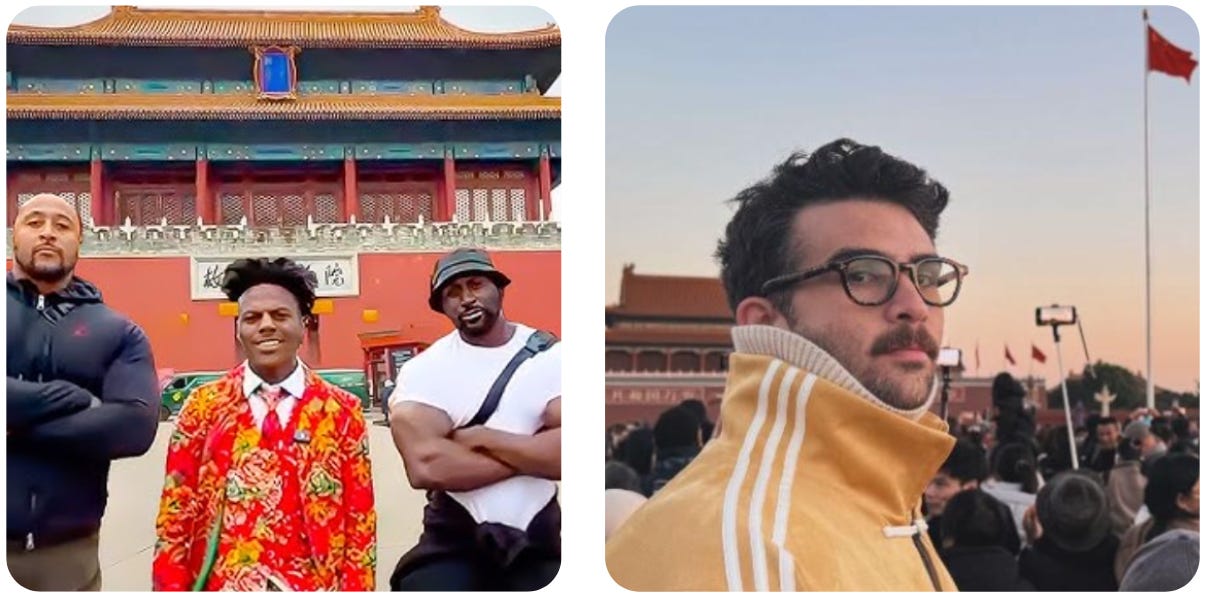
Content creators like iShowSpeed and Hasan Piker toured China and brought their viewers along with them, exposing millions to the beauty and humanity of everyday life in China. By livestreaming streets, markets, high-speed trains, late-night food runs, and casual conversations with locals, they gave their viewers an unfiltered look at China. Audiences saw laughter, kindness, high-tech cities, and ordinary people just living their lives.
For many viewers, this was the first time China felt human rather than the abstract threat the media makes it out to be. These trips disrupted years of fear-based narratives and reminded people that no amount of propaganda can compete with simply seeing real people, in real places, being themselves.
**Interested in traveling to China? Join our 2026 group trip in May!
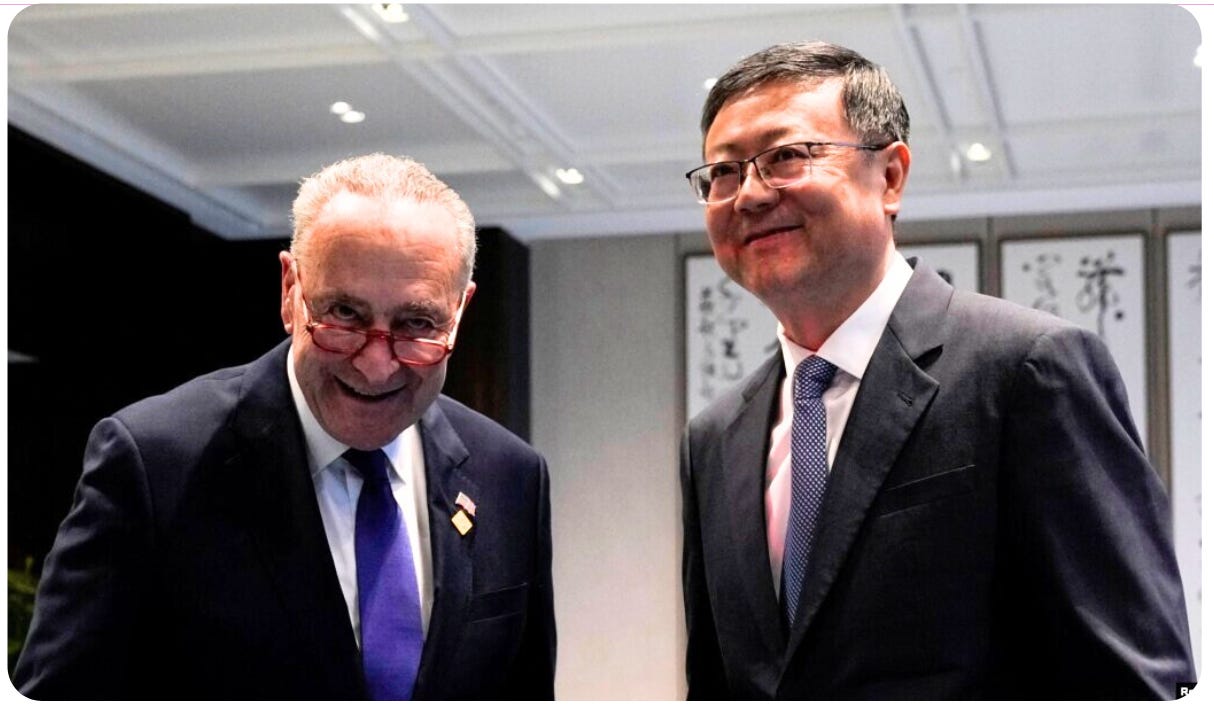
3. Congress visited China for the first time since 2019.
For the first time since 2019, members of the U.S. Congress traveled to China, breaking a long stretch of silence that began with the heightened tensions around the COVID-19 pandemic. While the visit didn’t erase deep disagreements, it sent an important signal that dialogue is still important. In today’s climate, posturing and confrontation are overwhelming good-faith diplomacy. Even limited engagement is significant in reducing misunderstandings and slowing the escalation to war.
4. We stood up for humanity.
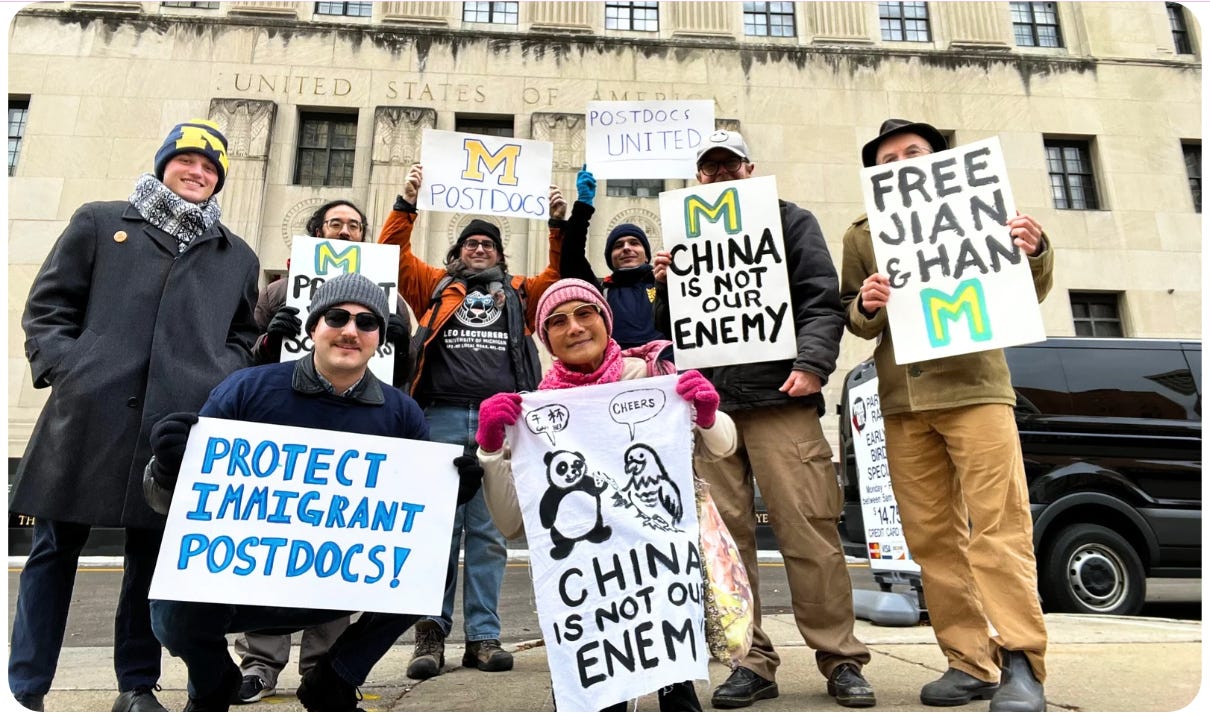
As fear-driven narratives intensified, people across the country refused to stay silent. Students, faculty, community members, and everyday people spoke out to defend Chinese scholars who were being federally persecuted. At the University of Michigan, for example, local communities rallied to support Chinese researchers and graduate students facing wrongful targeting, shining a light on the university’s role in enabling these policies and demanding accountability. In doing so, they challenged the normalization of racialized suspicion and confronted the growing complicity of universities in the federal government’s crackdown on students.
5. We fought the propaganda.
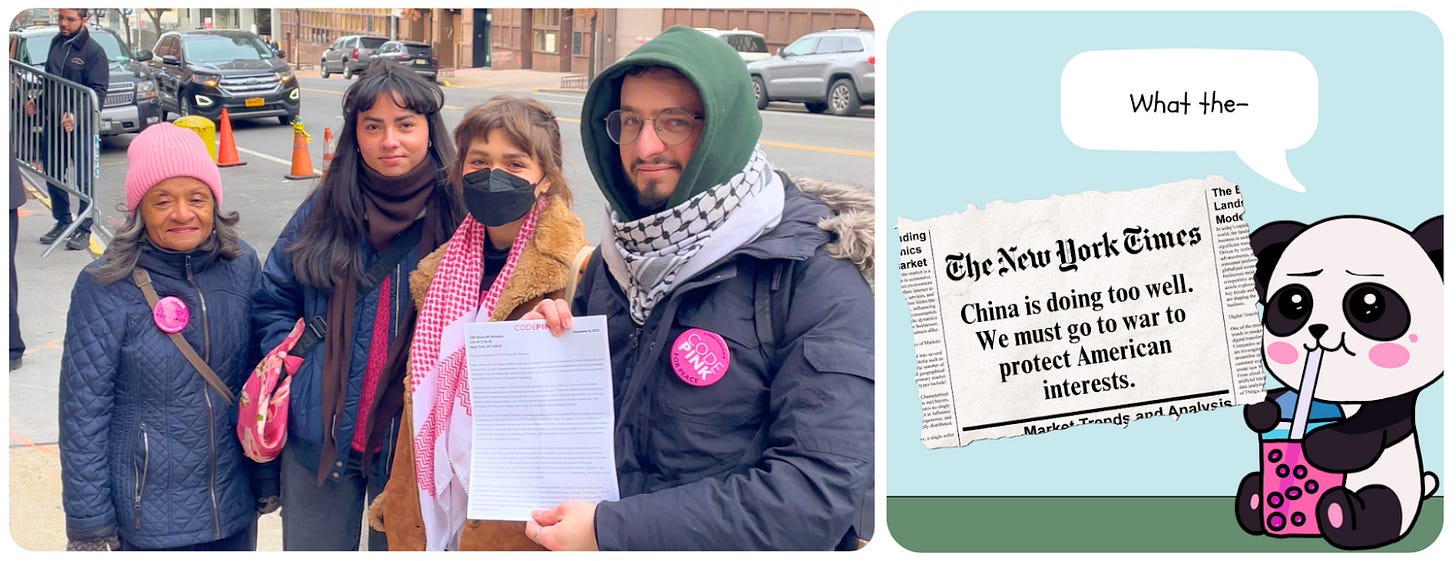
This year, CODEPINK launched campaigns against some of the worst pro-war propaganda machines, including CBS News and the New York Times. We called out misinformation and exposed double standards, while demanding accountability.
With The New York Times, we called for independent investigations into ICE’s abuse of Chinese nationals like Chaofeng Ge, sustained reporting on the federal persecution of Chinese scholars and students (including at the University of Michigan), and an end to editorial advocacy for war with China. With CBS, we highlighted how programs like 60 Minutes echo Pentagon talking points, portraying China and Venezuela as threats while erasing U.S. military intervention and economic coercion.
CODEPINK members around the country amplified these campaigns and reminded people that propaganda only works if you stay silent.
6. We exposed the warmongers.
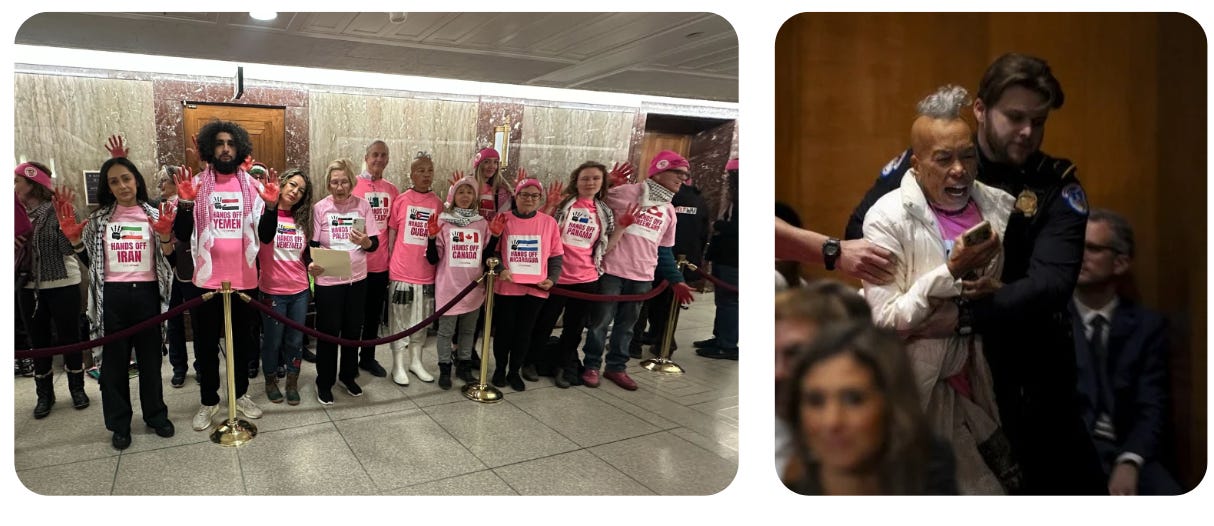
CODEPINK also shone a light on the individuals pushing the hardest for confrontation with China. From TV personalities like Bill Maher to war hawks like Elbridge Colby, Pete Hegseth, Tom Cotton, Rahm Emanuel, and Gordon Chang, we highlighted how their fear-mongering fuels hostility and normalizes the idea of war. By exposing their influence in media, politics, and think tanks, we showed the public who profits from escalation and reminded everyone that war is a choice, not an inevitability. Ordinary people have the power to hold these pro-war aggressors accountable and must continue to do so!
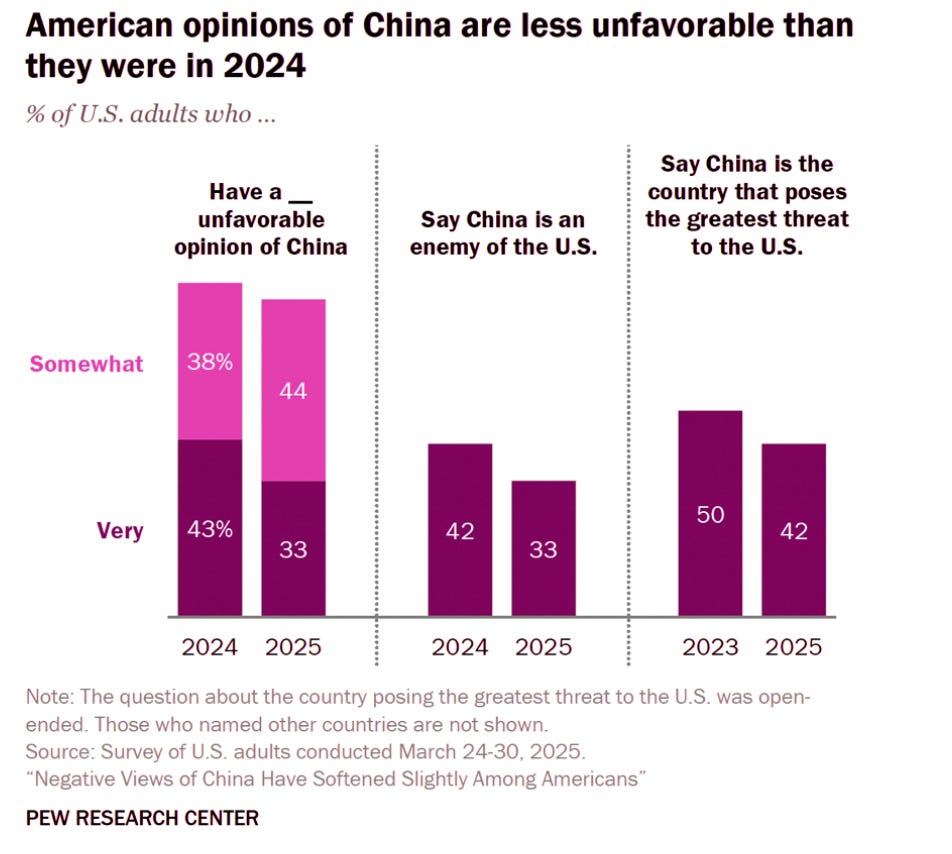
7. The tide shifted.
For the first time in five years, the number of Americans who consider China an enemy decreased by nearly 10%. This drop reflected months of cultural exchange, meaningful conversations, and exposure to the real China. From livestreams and travel vlogs to cross-cultural social media connections and campaigns against fear-driven propaganda, more Americans saw China not as a faceless threat but as a nation full of people just like them. Common humanity will always win out against fear; we just need to pave the way.
Remember, peace starts when…
-
We refuse to be afraid of one another.
-
We push back against the propaganda.
-
We commit to dialogue and understanding.
In 2026, choose peace.
China is Not Our Enemy! Join Our Campaign Today!
Megan Russell is CODEPINK’s China is Not Our Enemy Campaign Coordinator. She graduated from the London School of Economics with a Master’s Degree in Conflict Studies. Prior to that, she attended NYU where she studied Conflict, Culture, and International Law. Megan spent one year studying in Shanghai, and over eight years studying Chinese Mandarin. Her research focuses on the intersection between US-China affairs, peace-building, and international development.